

Cart 0
Updating cart…
No products in the cart.
Continue shopping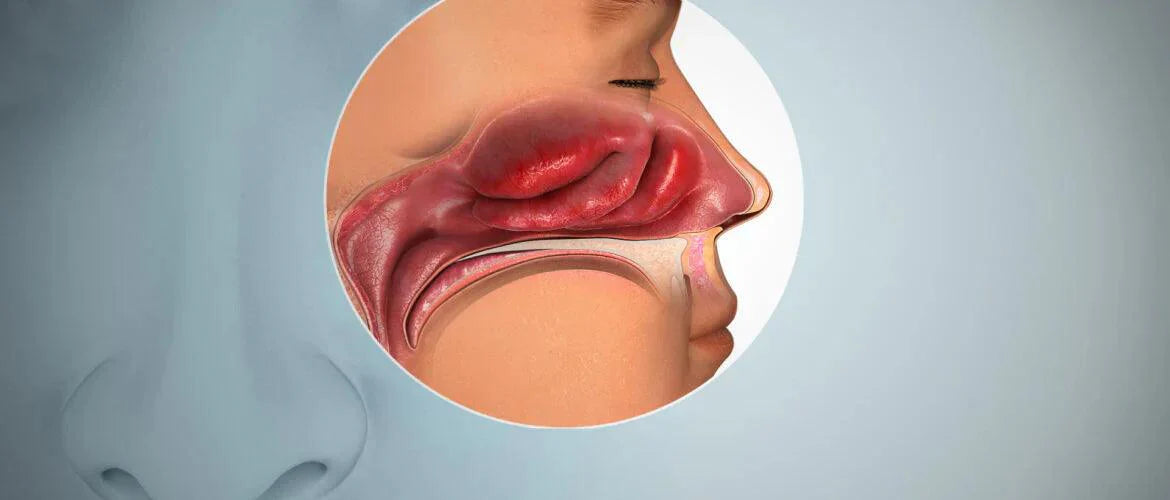
Loss of the sense of taste and smell is a common side effect of Covid 19. It is thought that transcutaneous ear vagus nerve stimulation may affect taste and smell as a result of neural connections. We present a 27-year-old female participant diagnosed with loss of taste and smell for more than 1 year. The Connecticut Chemosensory Clinical Research Center (CCCRC) olfactory test was used to test the sense of smell. To test the sense of taste, 3 drops of taste test were applied. It was found that during the application period of 1 session per day for 15 days, there was a progressive improvement in the sense of taste and smell.
Authors: Berkay Eren Pehlivanoglu , Sanem Guven , Sefa Haktan Hatik , Ali Veysel Ozden


